From the Poker Table to Everyday Speech – Expressions That Stuck

From the Poker Table to Everyday Speech – Expressions That Stuck
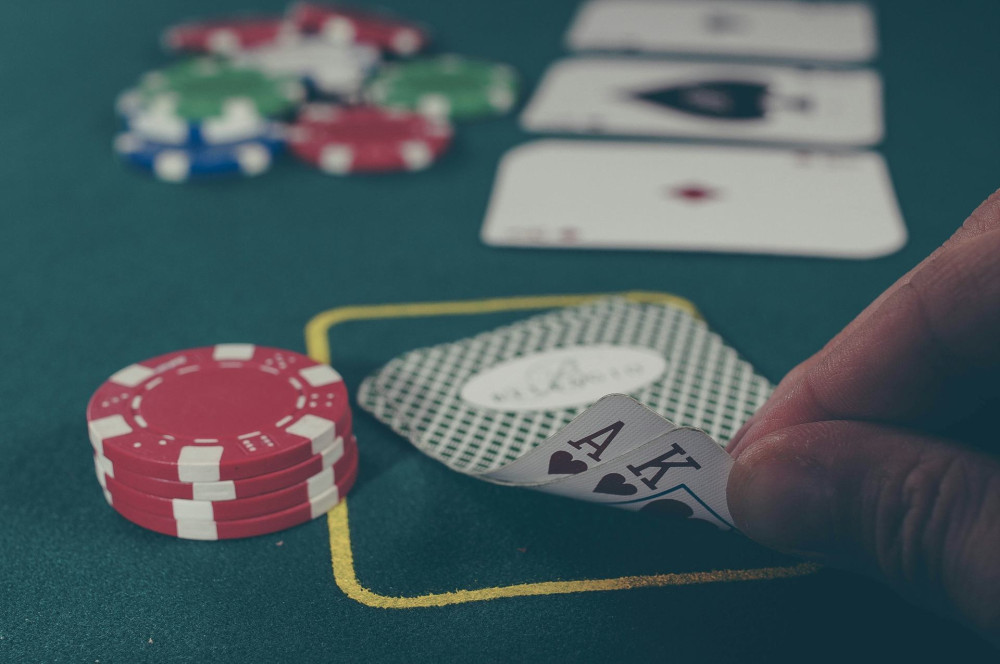
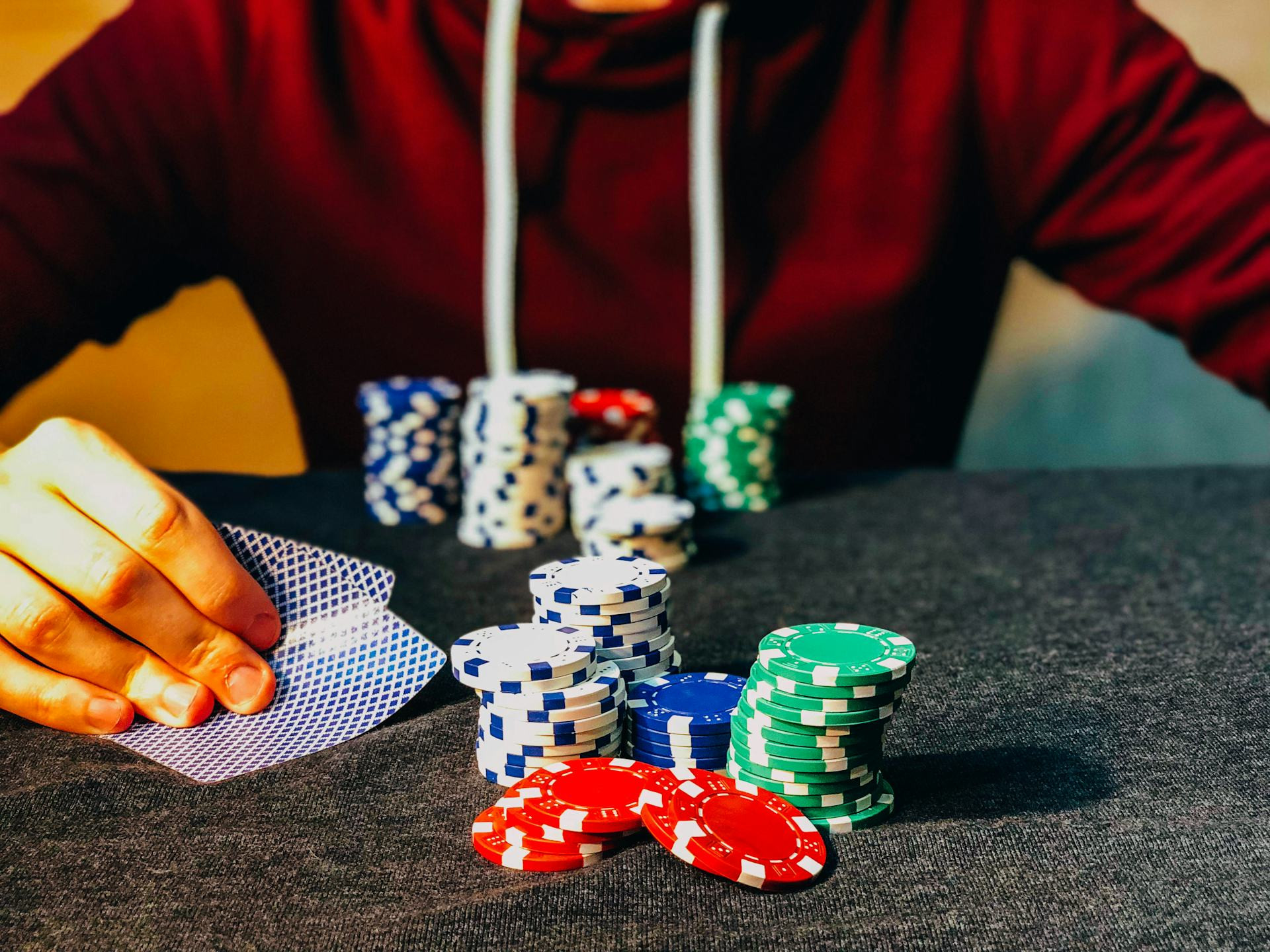
When we say someone is “playing their cards right” or “going all in,” few of us stop to think about poker. Yet many of the expressions we use in daily conversation come straight from the card table. For more than a century, poker has been part of American culture – a mix of luck, psychology, and strategy that has shaped not only how we play, but how we talk. The language of poker has slipped into our everyday speech, showing up in politics, business, and personal life alike. Let’s take a closer look at some of the most enduring poker expressions and why they’ve stuck around.
From the card table to the conversation table
Poker is more than a game of chance. It’s about reading people, taking calculated risks, and keeping your cool under pressure. That’s why its vocabulary fits so naturally into situations where we face uncertainty or tough decisions.
When a politician “shows their hand,” they’re revealing their plans – just like a player turning over their cards. And when a company “plays a high-stakes game” with a new product launch, it’s taking a big risk for a potentially big reward. These phrases resonate because they capture something universal: the tension between risk and reward that runs through so many parts of life.
“Going all in” – when you bet everything
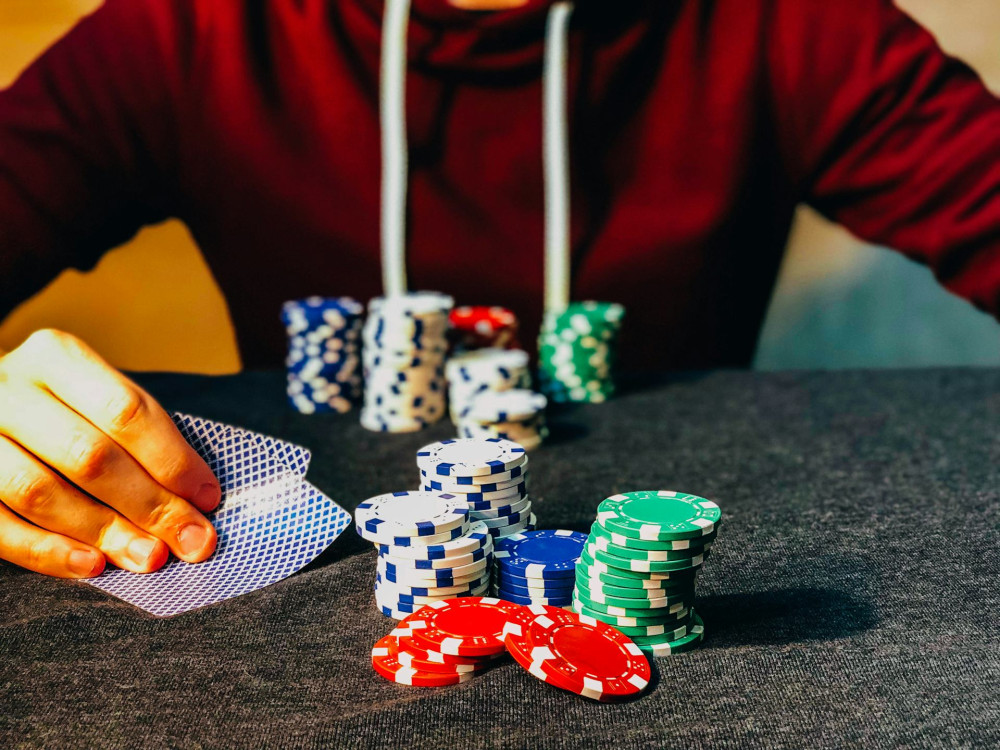
One of the most popular poker phrases in modern English is “to go all in.” At the table, it means betting all your chips on a single hand. In everyday life, it’s about total commitment – giving everything you’ve got to a goal, a relationship, or a dream.
The phrase carries both courage and vulnerability. To “go all in” is to take a leap of faith, knowing you could win big or lose it all. That mix of boldness and risk is what makes the expression so powerful. It captures the moment when you decide to trust your instincts, even without knowing how things will turn out.
“To bluff” – the art of controlled deception
Bluffing is one of poker’s most famous strategies. It’s about convincing others you have stronger cards than you really do. Today, we use “to bluff” in all kinds of contexts – from business negotiations to everyday interactions.
Bluffing isn’t always lying. Sometimes it’s about projecting confidence when you’re uncertain, or holding your ground when you feel outmatched. In the workplace, it might mean presenting an idea with conviction before every detail is finalized. In social life, it can mean keeping a calm face when you’re nervous. The bluff has become a metaphor for human adaptability – our ability to manage appearances and navigate uncertainty.
Læs også:

“An ace up your sleeve” – the power of preparation
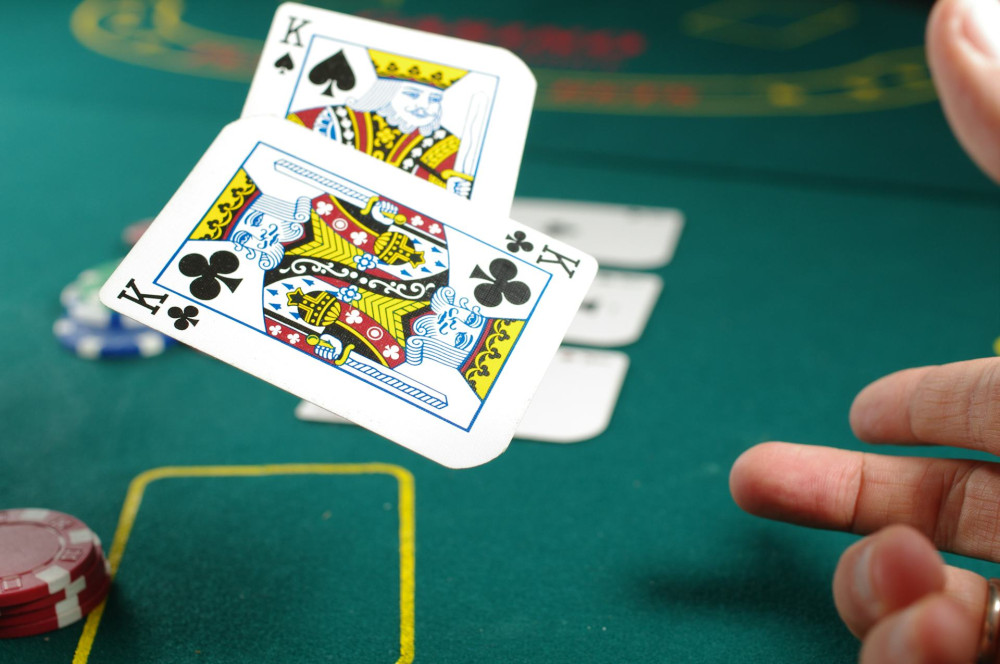
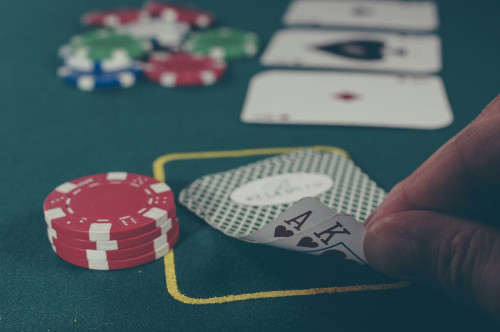
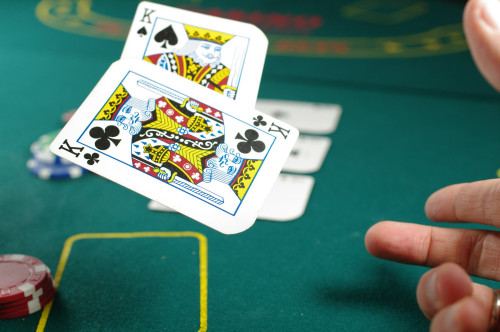
The phrase “to have an ace up your sleeve” dates back to times when cheating at cards was not uncommon. A player might literally hide an extra ace to gain an advantage. Today, the expression means having a hidden advantage or a backup plan ready for the right moment.
It’s a phrase that celebrates foresight and strategy. The person with an ace up their sleeve isn’t necessarily dishonest – just prepared. In a world that rewards planning and timing, it’s no wonder this expression has endured.
“Playing with an open hand” – honesty as strength
In contrast to bluffing, “playing with an open hand” (or “showing your cards”) means being transparent and honest. It’s about revealing your intentions and building trust. In an age where authenticity is prized, this expression has become a symbol of integrity.
When a leader “plays with an open hand” with their team, it fosters confidence. When a friend does it in conversation, it builds closeness. The phrase reminds us that honesty can be just as strategic as secrecy – depending on the situation.
Why poker expressions endure
Poker’s language has taken root in everyday English not just because of the game’s popularity, but because it mirrors life itself. Poker is about risk, timing, intuition, and reading others – the same skills we use off the table. These expressions give us vivid ways to describe complex human experiences.
When we say someone “played their cards right,” we’re not talking about cards at all – we’re talking about making smart choices. And when we “fold,” we’re admitting that sometimes the best move is to step back. The language of poker has become part of how we think and communicate – a reflection of life’s constant balancing act between chance, skill, and the courage to stay in the game.
Læs også: