Interactive Slots: When Choices and Symbols Create a Sense of Control


Interactive Slots: When Choices and Symbols Create a Sense of Control
The classic one-armed bandits have long gone digital, and today’s slot machines are far more than a lever and a bit of luck. Modern slots are designed as interactive experiences, where players feel they can influence outcomes through choices, bonus rounds, and themed symbols. But how much control do players really have—and why does it feel like they have more than they actually do?
From Mechanical Machines to Interactive Entertainment
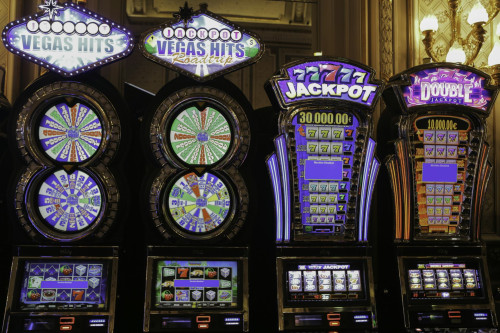
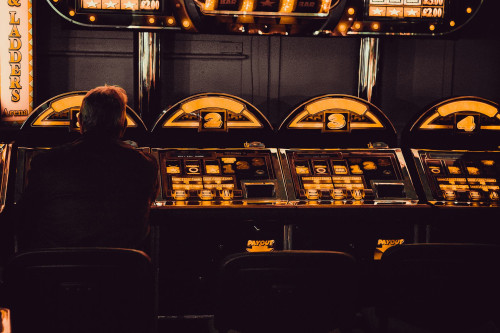
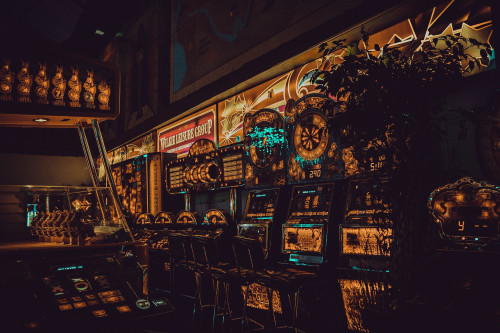
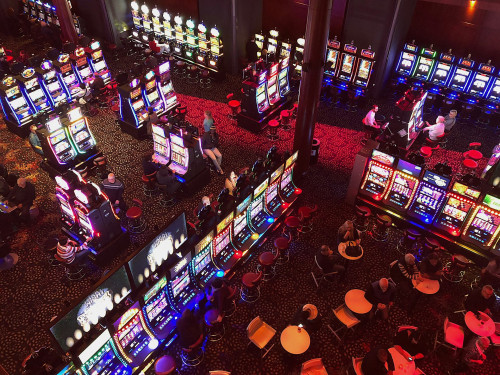
The first slot machines were simple devices with three reels and a handful of symbols. Now, they’re digital, colorful, and packed with themes, stories, and animations. This evolution has turned slots into a form of interactive entertainment, where players don’t just press a button—they participate in a small, self-contained game world.
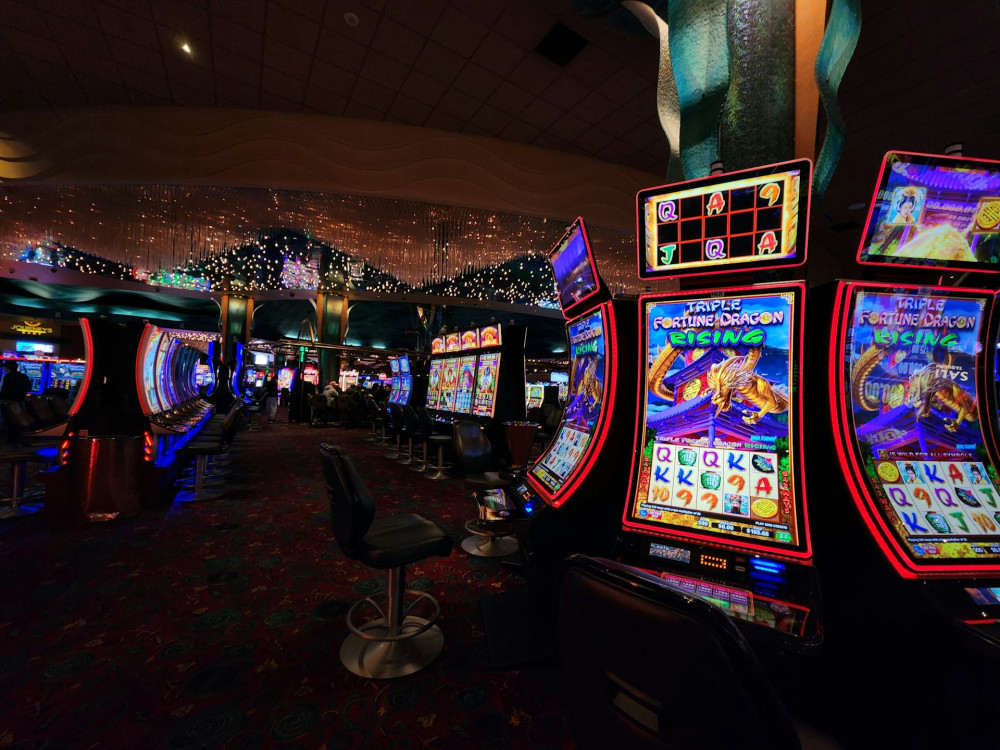
Many modern slots borrow elements from video games: missions, branching bonus rounds, and mini-games within the main game. These features create a sense of progress and engagement, making the experience feel less random—even though every spin is still determined by a random number generator.
Choices That Feel Like Strategy
A defining feature of interactive slots is the presence of player choices. You might pick between different bonus games, choose which treasure chest to open, or decide how many paylines to activate.
These decisions create an illusion of control. When players make choices, it feels as though they can influence the outcome—even if the odds remain exactly the same. Psychologically, this sense of agency makes the game more engaging and satisfying, turning what is essentially a game of chance into something that feels strategic.
Symbols and Rewards That Speak to the Senses
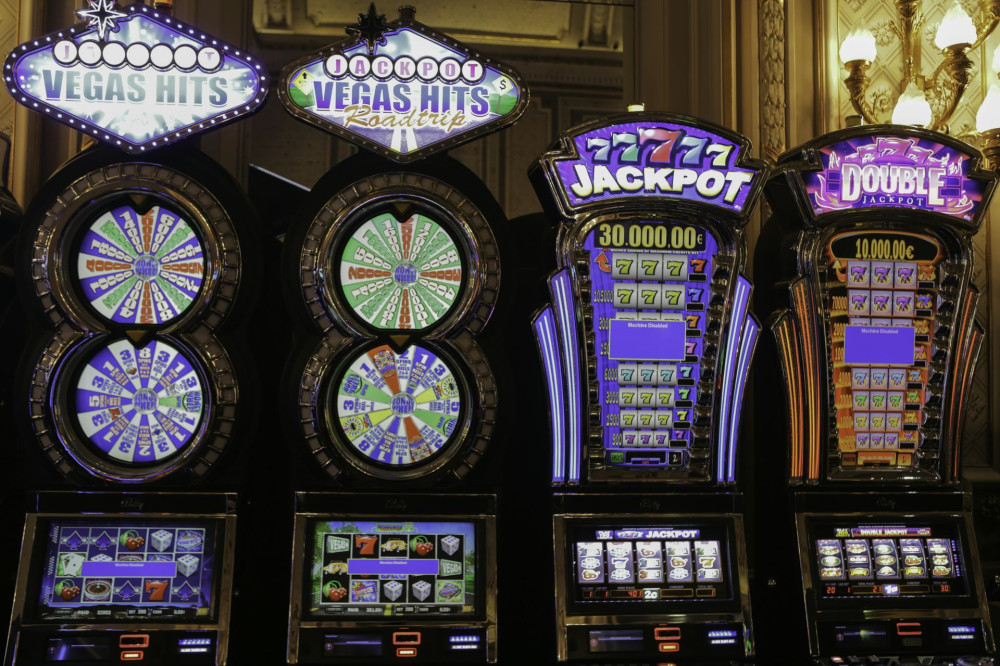
The symbols on the reels aren’t chosen at random. They’re designed to evoke emotion and anticipation. Flashing lights, sound effects, and animations that trigger when you almost win all work together to heighten excitement and keep attention focused.
One particularly powerful design element is the “near miss.” When two jackpot symbols land on the payline and the third stops just above or below, the brain reacts almost as if it had won. This near-win effect releases dopamine—the same neurotransmitter associated with actual rewards—making the experience thrilling and hard to walk away from.
The Feeling of Control—and Its Limits
Even though interactive slots give players the impression of influence, the outcome is always based on chance. The underlying technology, known as a Random Number Generator (RNG), ensures that each spin is independent of the last. No strategy or choice can alter the mathematical odds of winning.
Still, many players report that they can “feel” when a win is coming or that certain choices bring better luck. This perceived control is a key part of what makes slots so appealing—it makes the game feel personal and exciting, but it can also lead players to spend more time and money than they intended.
Læs også:
Playing for Experience, Not Strategy
For most players, modern slots are about entertainment, not just winning money. Themes inspired by adventure, mythology, or pop culture turn the game into an immersive experience, where players can lose themselves in a story and feel like active participants.
Understanding how these games are designed can help maintain a healthy relationship with them. When players recognize that choices and symbols are primarily meant to enhance engagement—not to provide real control—it becomes easier to play for fun and stop at the right time.
A New Generation of Gaming Experiences
Interactive slots represent a new era in digital entertainment, where the line between gaming and gambling continues to blur. They combine technology, psychology, and design to create experiences that feel personal, dynamic, and exciting.
But no matter how many choices or symbols appear on the screen, luck remains the deciding factor. The best experience comes from playing with awareness—seeing the game for what it truly is: entertainment, not control.
Læs også: