Why Do You Play, Really? Reflection as a Path to Responsible Balance

Why Do You Play, Really? Reflection as a Path to Responsible Balance
Games can mean many things: entertainment, excitement, social connection—or simply a way to unwind after a long day. For most people, playing is a harmless and enjoyable activity. But for some, gaming or gambling can gradually take up more space than intended. That’s why it’s worth asking yourself a simple but important question: Why do I play, really?
Reflecting on your relationship with play isn’t about guilt or judgment—it’s about awareness. When you understand your own motivations, it becomes easier to find a healthy balance between enjoyment and responsibility.
The Many Faces of Play
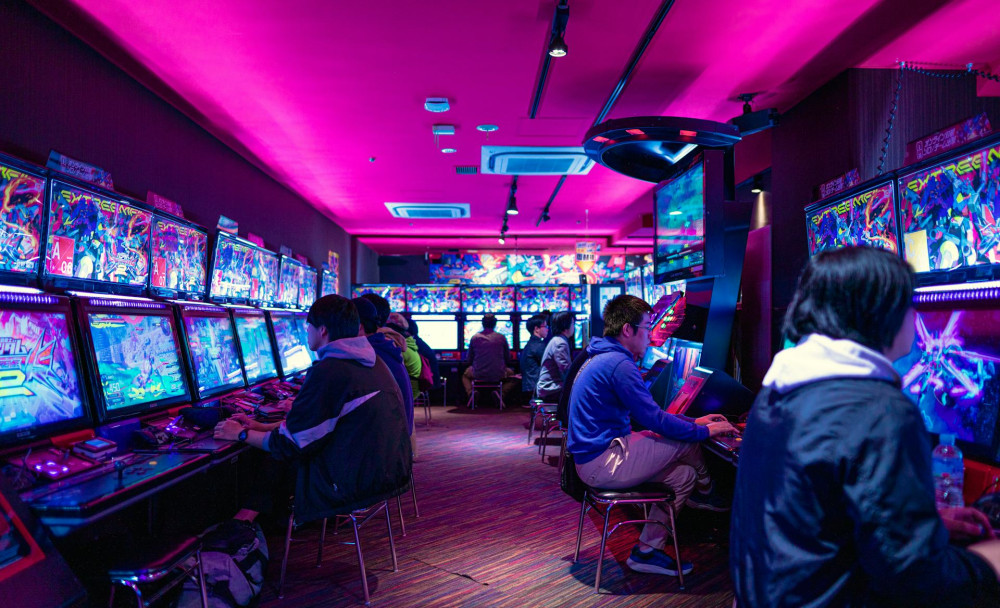
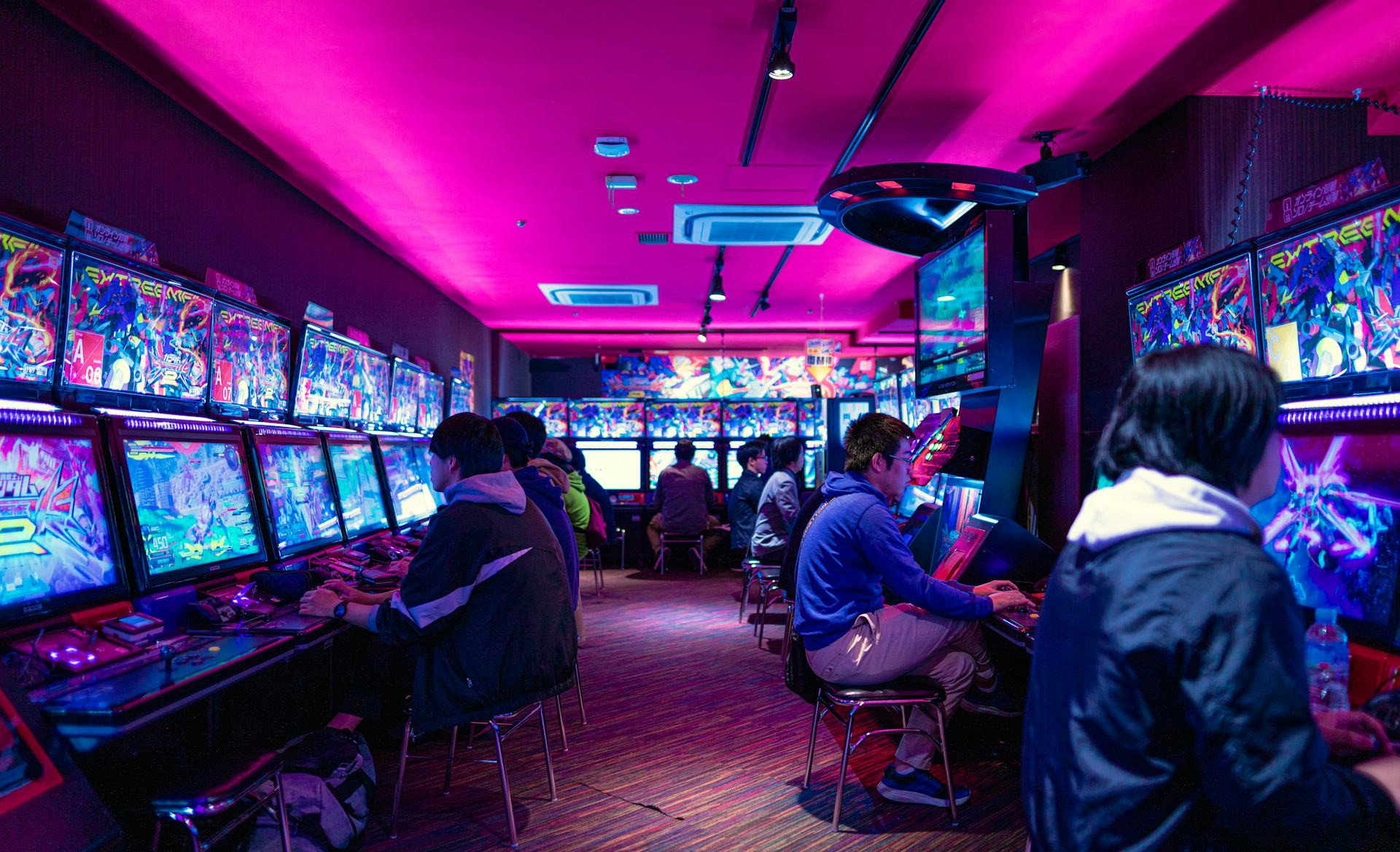
There are countless ways to play—from video games and fantasy sports to poker nights, mobile apps, and online casinos. What they all share is the ability to spark joy, competition, and connection. But they can also appeal to very different needs.
Some people play to relax, others to feel excitement, or to escape daily stress. None of these reasons are wrong in themselves, but it’s important to notice what the game gives you—and when it starts taking more than it gives.
When Play Becomes an Escape
For many, gaming or gambling can serve as a break from stress, loneliness, or boredom. It can be a quick way to feel in control or to lift your mood. But if play becomes your main way of coping with difficult emotions, it can turn into a habit that’s hard to manage.
A good sign that balance may be slipping is if you start hiding how much you play, or if it begins to affect your finances, sleep, or relationships. In those moments, it can help to pause and ask yourself: What am I really looking for when I play?
Often, it’s not just about the game itself—it’s about something deeper: a need for comfort, excitement, or distraction.
Reflection as a Tool
Reflecting on your gaming or gambling habits doesn’t mean you have to stop playing. It’s about taking ownership of your choices. You can start with small steps:
- Name your motivations. Do you play for fun, to win, to relax—or to avoid something else?
- Notice your emotions. How do you feel before, during, and after you play?
- Make small adjustments. Try setting time or spending limits, or plan breaks to do something completely different.
- Talk about it. Share your thoughts with a friend, family member, or counselor. Sometimes an outside perspective can help you see things more clearly.
Reflection isn’t a one-time exercise—it’s an ongoing process. The better you understand your own patterns, the easier it becomes to play in a way that feels healthy and meaningful.
Læs også:



Finding Responsible Balance
Responsible play isn’t just about avoiding problems—it’s about keeping the joy in the experience. When you play with awareness, you can enjoy the thrill without losing control.
For some, that means setting clear boundaries. For others, it means taking breaks or finding alternative activities that bring the same satisfaction. The key is that you feel in charge of your play—not the other way around.
If you notice that gaming or gambling is taking up too much space in your life, help is available. In the U.S., organizations like the National Council on Problem Gambling (1-800-GAMBLER) offer free, confidential support. Reaching out isn’t a sign of weakness—it’s a step toward balance and well-being.
Play Mindfully—and Enjoy It
Play can be a source of joy, connection, and challenge when done with intention. By asking yourself “Why do I play, really?” you open the door to an honest conversation with yourself—one that can help you maintain both control and enjoyment.
In the end, responsible play is about knowing yourself. When you do, you can play with peace of mind—and with balance in your everyday life.
Læs også: