Drawing Lots Through History: From Oracle to Lottery

Drawing Lots Through History: From Oracle to Lottery
Letting fate decide has fascinated humanity for thousands of years. From ancient oracles and sacred rituals to modern state lotteries and online games, the principle remains the same: chance as judge. But how did we move from casting bones to seek divine will to buying a lottery ticket in hopes of becoming a millionaire?
Games of Fate in the Ancient World
In the earliest civilizations, drawing lots was a way to understand the unknown. In Mesopotamia, Egypt, and ancient China, priests cast stones, sticks, or animal bones to interpret the will of the gods. These were not games in the modern sense but religious rituals, where randomness was seen as a message from a higher power.
In ancient Greece and Rome, lots were also used to distribute offices and property. In democratic Athens, citizens could be chosen for public duties by lot, a method believed to prevent corruption and favoritism. Random selection thus became a tool of fairness and civic equality—an early form of democratic lottery.
Sacred and Secular Lots in the Middle Ages
During the Middle Ages, the practice took on new meanings. The Christian Church used lots to resolve difficult decisions—such as choosing between candidates for a clerical post or determining who should embark on a pilgrimage. The lot was seen as a way to let God decide.
At the same time, secular authorities began using lotteries for practical purposes. In cities like Bruges and Florence in the 15th century, drawings were held to raise funds for public works—a precursor to the modern lottery. Participants bought tickets, and the proceeds went to build bridges, churches, or city walls. It was the beginning of the idea that games of chance could serve the common good.
Renaissance and Enlightenment Lotteries
By the 16th and 17th centuries, lotteries had spread across Europe. In Italy, they became popular among both nobles and merchants, while in the Netherlands they supported poor relief and education. England held its first state lottery in 1569 to fund harbors and fortifications.
Lotteries soon became part of everyday life—both entertainment and economic tool. When European settlers came to North America, they brought the idea with them. Early American colonies used lotteries to fund roads, libraries, and even universities such as Harvard and Yale. Drawing lots had moved from temple to town hall—from sacred ritual to civic enterprise.
From Paper Tickets to Digital Numbers
In the 19th and 20th centuries, lotteries became more regulated and professionalized. Governments sought to ensure fairness and to channel profits toward public purposes. At the same time, fascination with probability and statistics grew, as mathematicians began to study the laws of chance that underlie every draw.
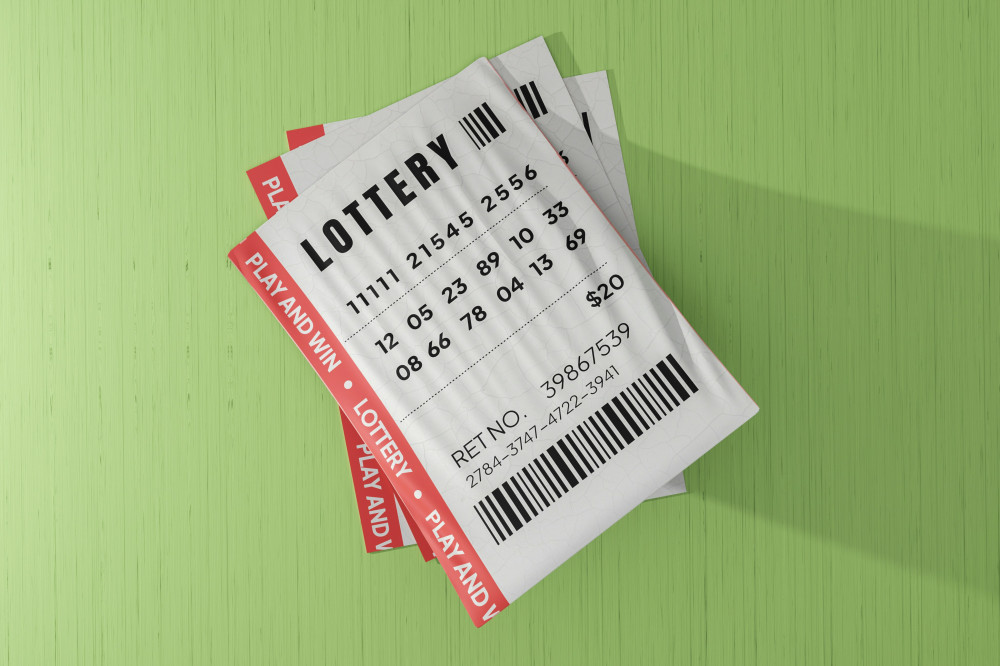
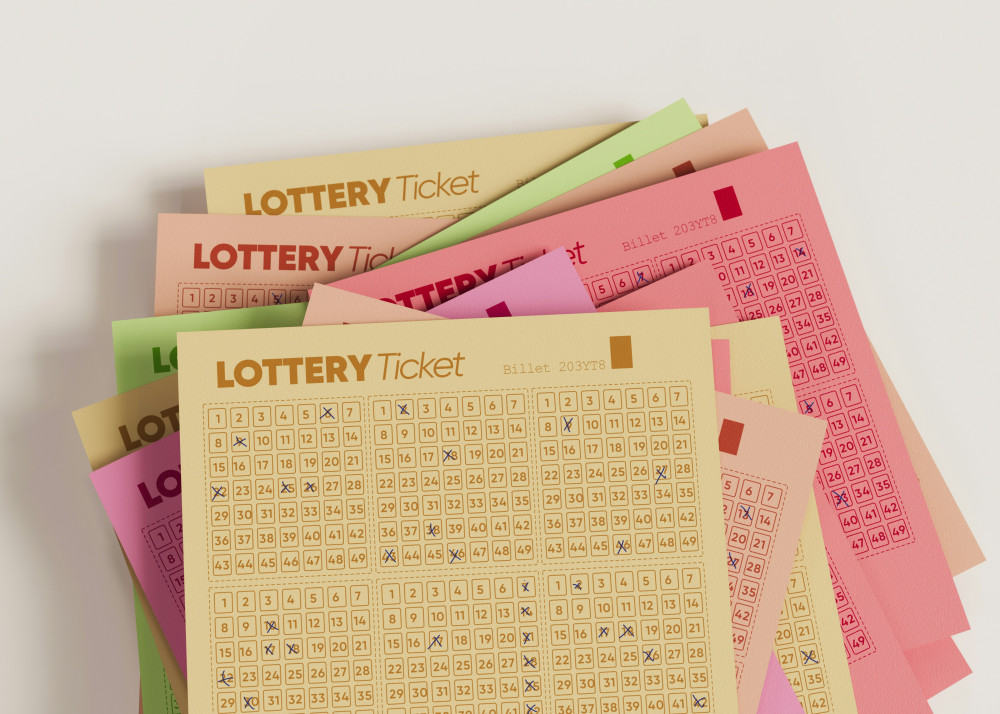
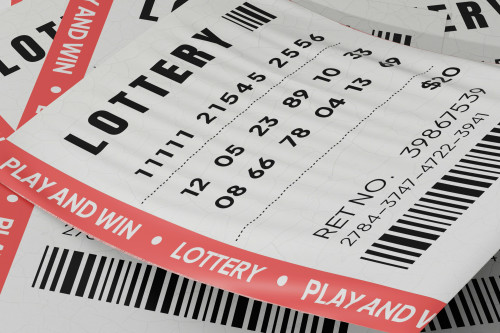
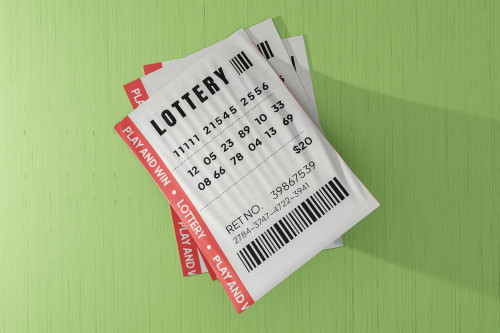
Today, drawings are no longer made with handwritten slips in a barrel but with computer-generated numbers and secure algorithms. Yet the feeling remains the same: the thrill of the moment when the outcome is revealed, and the dream that fate might smile on you.
Læs også:

The Double Nature of the Draw
Throughout history, drawing lots has carried a double meaning. It represents fairness—because everyone has an equal chance—and it embodies hope, the belief that fortune might favor us. Today, random selection is used not only in games but also in science, politics, and resource allocation, where impartiality is essential.
From the oracle’s bones to the digital lottery ticket, the act of drawing lots reminds us that not everything can be controlled. Sometimes, we must leave the outcome to chance—and trust that luck, or fate, will do the rest.
Læs også: