Probability Made Simple – Understanding Your Odds in the Lottery

Probability Made Simple – Understanding Your Odds in the Lottery
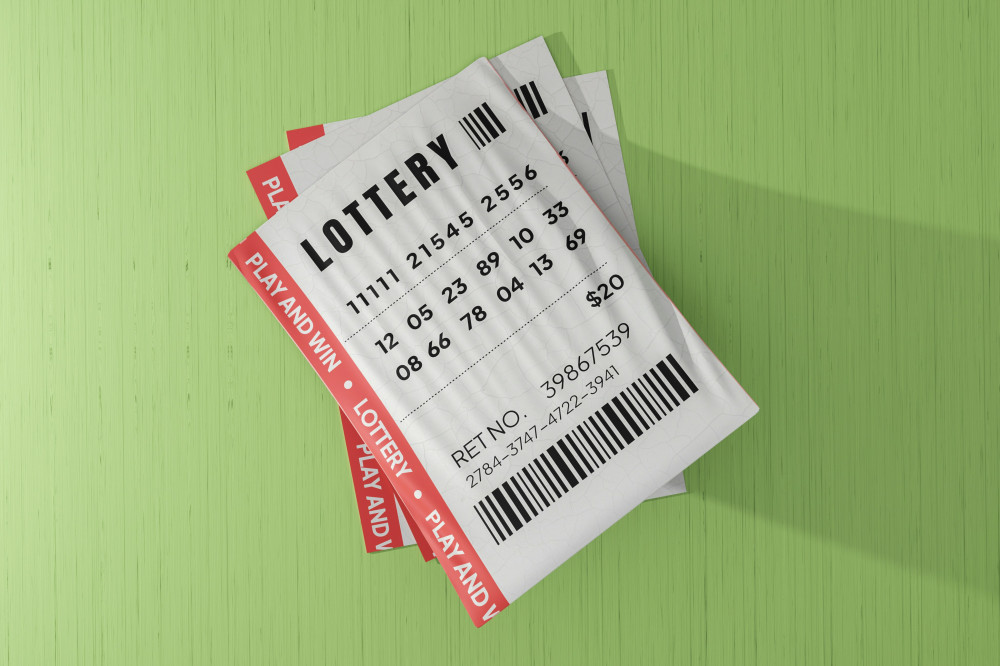
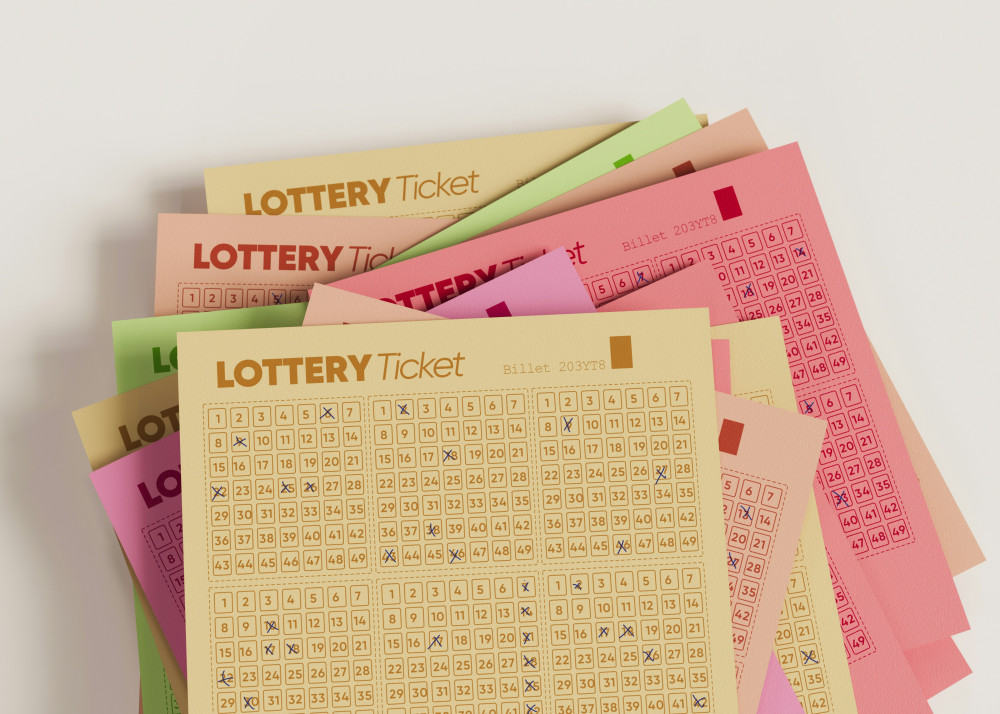
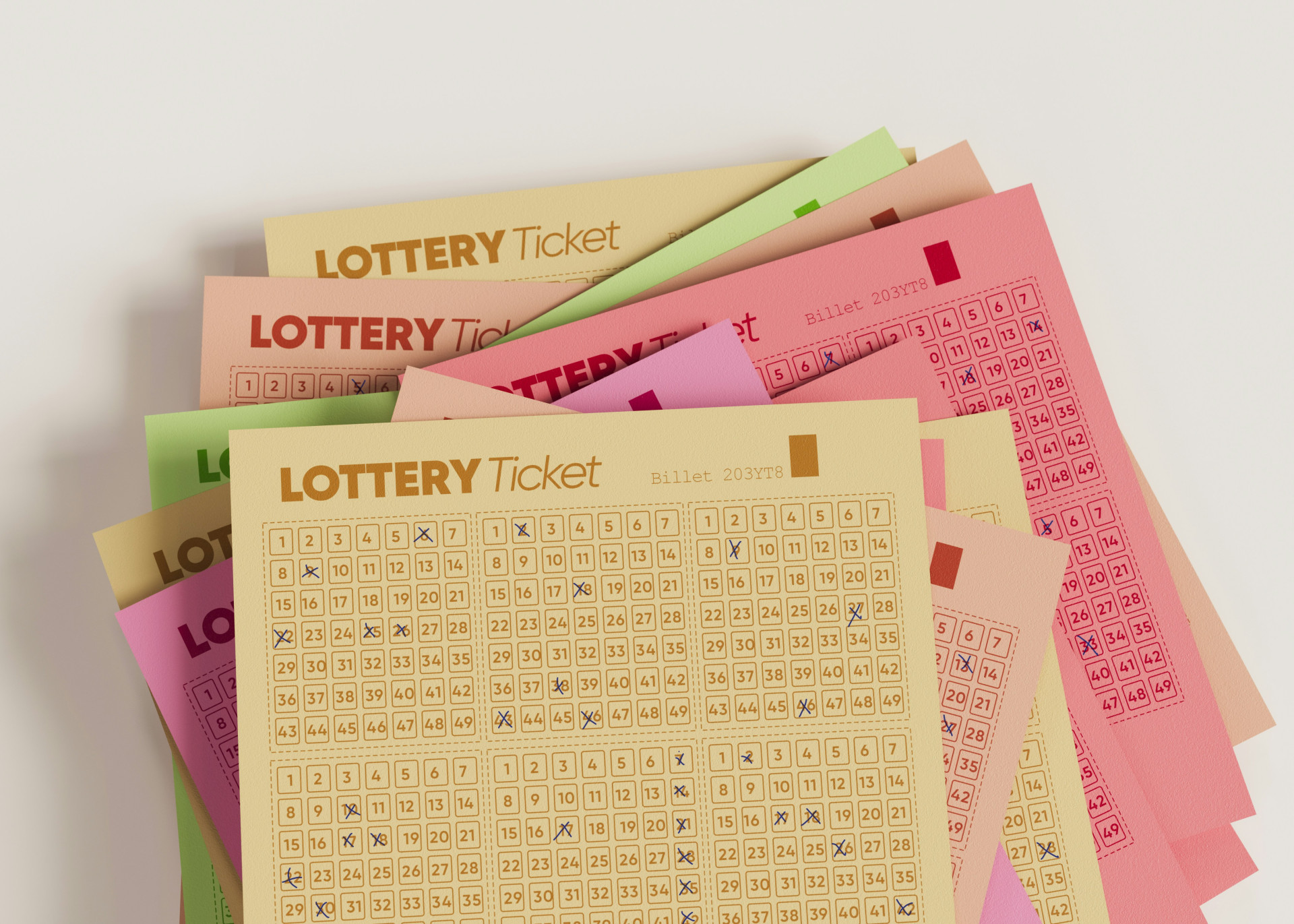
The dream of hitting the jackpot lives in many of us. Every week, millions of Americans buy lottery tickets, hoping that their numbers will be the lucky ones. But how big are your chances, really? And how can we make sense of probability in a way that feels more tangible? In this article, we’ll make probability simple – and help you understand what your odds in the lottery actually mean.
What Does Probability Mean?
Probability is about how likely it is that a certain event will happen. It’s usually expressed as a number between 0 and 1 – or as a percentage. A probability of 0 means something is impossible, while 1 means it’s certain to happen.
For example, when you roll a six-sided die, there are six possible outcomes. The chance of rolling a six is 1 out of 6 – or about 16.7%. That’s a simple case, but the same principle applies whether you’re flipping a coin, drawing a raffle ticket, or buying a lottery ticket.
How Small Are the Odds of Winning the Lottery?
Let’s look at a real example. In the popular Powerball lottery, you need to match five numbers from 1 to 69 plus one Powerball number from 1 to 26. The total number of possible combinations is enormous – over 292 million. That means your chance of hitting the jackpot is about 1 in 292 million.
To put that in perspective: you’re more likely to be struck by lightning multiple times in your lifetime than to win the Powerball jackpot. If you bought one ticket every week, it would take you millions of years, on average, to expect a win.
That doesn’t mean playing is pointless. For many people, the lottery is a form of entertainment – a small price for a bit of excitement and the thrill of possibility, rather than a serious financial strategy.
Smaller Prizes – Better Odds
While the grand prize is nearly impossible to win, there are often smaller prizes with much better odds. Matching a few numbers might give you a modest payout – perhaps $4, $100, or even a few thousand dollars, depending on the game.
These smaller wins aren’t life-changing, but they keep players engaged. They make it feel like “it could happen,” and that psychological boost is part of what makes lotteries so popular. We tend to overestimate small chances when the potential reward is big.
Læs også:
Why We Think Our Chances Are Better Than They Are
Humans aren’t great at understanding large numbers. When we hear “1 in 292 million,” it’s hard to grasp just how tiny that probability really is. We focus on the possibility, not the math.
Media stories about winners also play a big role. When we see someone smiling with a giant check, it suddenly feels more real. We don’t see the millions of people who didn’t win – only the one who did.
Can You Improve Your Odds?
In a purely random game like Powerball or Mega Millions, the answer is no. Every number combination has exactly the same chance of being drawn, and past results don’t influence future drawings.
However, you can make one smart move: choose numbers that fewer people pick. This doesn’t increase your chance of winning, but it can increase your share of the prize if you do win. Many players use birthdays or anniversaries, so numbers above 31 are often less common.
Probability in Everyday Life
Understanding probability isn’t just useful for lotteries. It helps us make better decisions in everyday life – from evaluating insurance and investments to interpreting weather forecasts and health risks.
When you learn to think in probabilities, you become better at judging risk and reward. You realize that “rare” doesn’t mean “impossible,” and “likely” doesn’t mean “certain.”
Play for Fun – Not for Profit
The lottery can be a fun part of life, as long as you play responsibly. Think of it as entertainment, not as an investment.
If you’re looking for a realistic way to build wealth, there are far better options – saving, investing, or furthering your education. But if you enjoy the excitement of checking your numbers on a Saturday night, go ahead and play – just do it with a smile and a clear understanding of what probability really means.
Læs også: