Reward Mechanisms in Slot Machines: When Design Exploits Psychology


Reward Mechanisms in Slot Machines: When Design Exploits Psychology
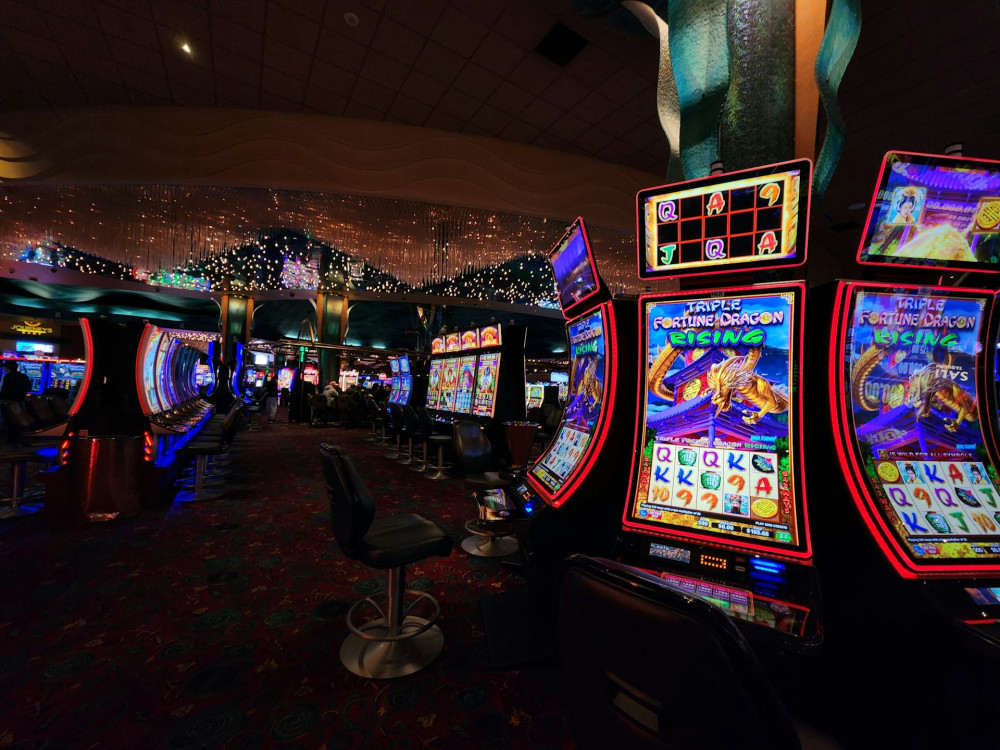
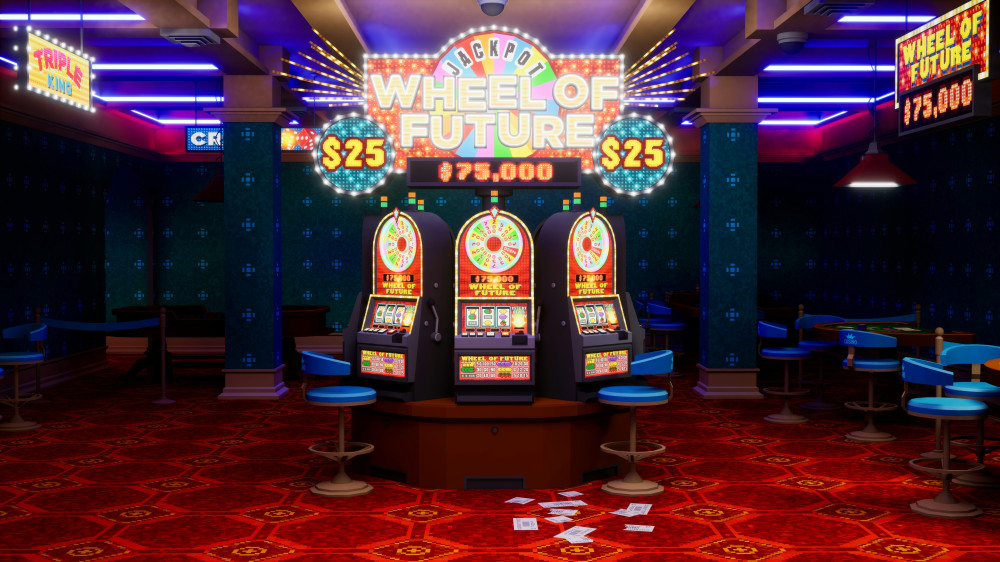
When you pull the lever on a slot machine—whether in a Las Vegas casino or on a smartphone app—what happens next is anything but random. Every sound, color, and animation is carefully engineered to capture attention and sustain excitement. Behind the flashing lights lies a sophisticated understanding of human psychology. Slot machines are not just games of chance; they are finely tuned systems that exploit how our brains respond to reward, uncertainty, and habit.
The Power of Unpredictable Rewards
One of the most powerful psychological tools in slot machine design is known as variable reinforcement. This means that rewards—wins—arrive unpredictably. The human brain is wired to respond most strongly when it doesn’t know when the next reward will come. It’s the same mechanism that keeps people checking their phones for new notifications.
When a player wins, the brain releases dopamine, a neurotransmitter associated with pleasure and motivation. But even when losing, the anticipation of a possible win keeps the dopamine system active. This unpredictability is what makes slot machines so compelling—and for some, dangerously addictive.
Designed to Keep You Playing
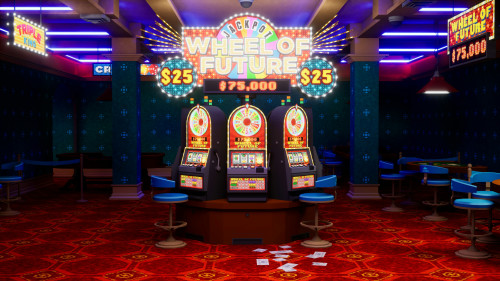
Modern slot machines are built with the precision of psychological experiments. The colors are warm and pulsating, the sounds are euphoric when you win and soothing when you lose, and the animations are designed to make you feel like you’re always close to a big payout.
A classic example is the “near-miss” effect. When the reels stop just one symbol away from a jackpot, the brain interprets it as a partial success—even though it’s a loss. That feeling of being “so close” motivates players to spin again, convinced that the next round might be the one.
Læs også:

Small Wins, Big Impact
Even small payouts play a crucial role. Many machines frequently award small amounts that don’t actually cover the bet, but they’re presented with celebratory lights and sounds as if the player has won. This creates an illusion of success and reinforces the sense that things are going well.
This tactic is often called “losses disguised as wins.” It tricks the brain into feeling rewarded even as the player’s balance slowly declines. Over time, this illusion keeps players engaged far longer than they might intend.
Flow and the Loss of Time
Another key element in slot machine design is the creation of flow—a mental state where players lose track of time and surroundings. The game moves seamlessly from one spin to the next, with no natural breaks. Online versions even offer “autospin” features, allowing the reels to spin automatically. This reduces moments of reflection and increases the likelihood of extended play sessions.
When Entertainment Turns into Addiction
For most people, slot machines are a form of entertainment. But for some, the combination of rapid play, unpredictable rewards, and sensory stimulation can lead to gambling addiction—a condition in which the brain begins to respond to gambling much like it does to drugs or alcohol.
Research in the United States has shown that individuals who are impulsive, stressed, or socially isolated are particularly vulnerable. In response, many states have introduced responsible gambling measures, such as self-exclusion programs, spending limits, and mandatory information about odds and risks.
Toward Ethical Game Design?
As awareness of gambling addiction grows, some developers and regulators are exploring ethical design principles. These include built-in reminders to take breaks, transparent information about payout rates, and tools that allow players to set time or money limits.
Yet the challenge remains: the business model of slot machines depends on keeping players engaged. Balancing profit with player protection is a complex ethical dilemma—one that may ultimately require stronger regulation rather than voluntary restraint.
A Fascinating but Dangerous Mechanism
Slot machines are a striking example of how psychology can be used to create engagement—and how the same mechanisms can lead to harm. They tap into the brain’s natural craving for reward and excitement, but in a way that can be difficult to control.
Understanding the reward mechanisms behind slot machines is the first step toward playing responsibly—and recognizing that what feels like luck is often the result of deliberate, psychologically informed design.
Læs også: