Roulette as a Social Experience: From Casino Halls to Club Community

Roulette as a Social Experience: From Casino Halls to Club Community
For generations, roulette has symbolized excitement, elegance, and the thrill of chance. Yet behind the spinning wheel and the red and black numbers lies a social dimension that often goes unnoticed. For many players, roulette is not just about winning—it’s about connection. The game creates a shared space where people come together, talk, and experience the suspense as one. From the grand casino floors of Las Vegas to private club gatherings and online communities, roulette has evolved into a social experience that unites people across backgrounds and generations.
From Casino Halls to Shared Moments
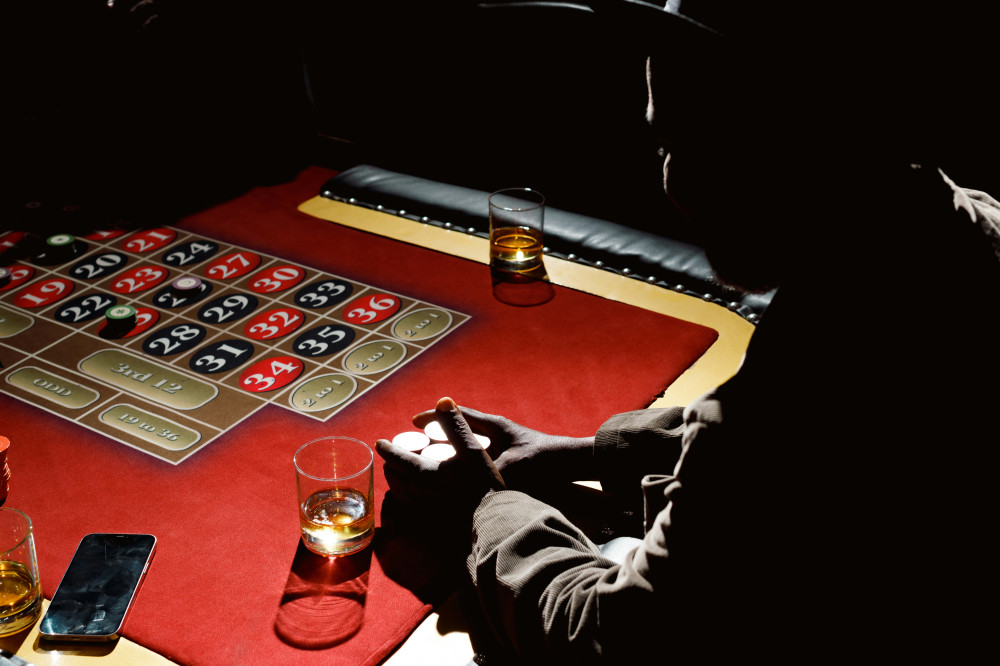
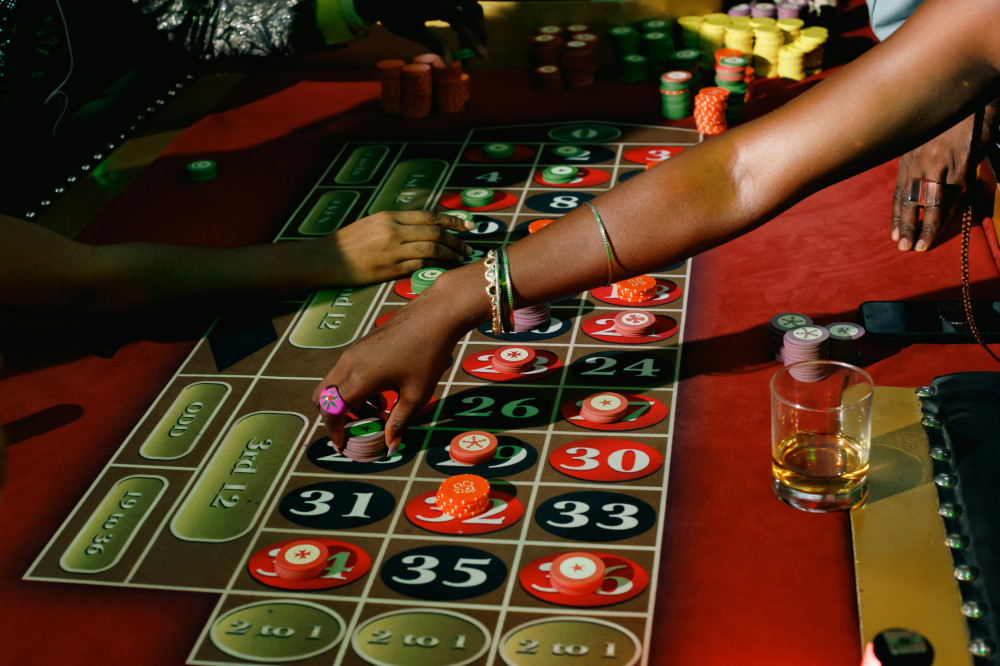
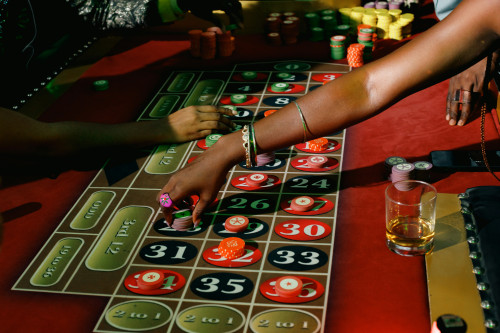
In the classic casino setting, the roulette table has long been a meeting point for travelers, professionals, and thrill-seekers alike. The game’s simplicity invites participation, while its atmosphere fosters conversation and camaraderie. Whether you’re placing a modest bet or going all in, everyone around the table shares the same anticipation as the ball spins.
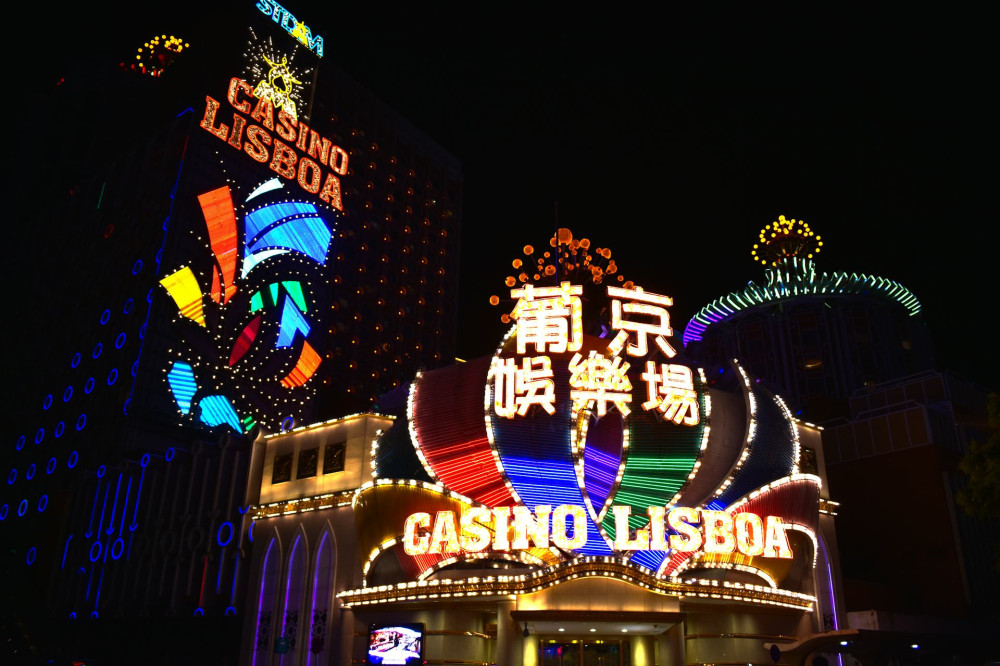
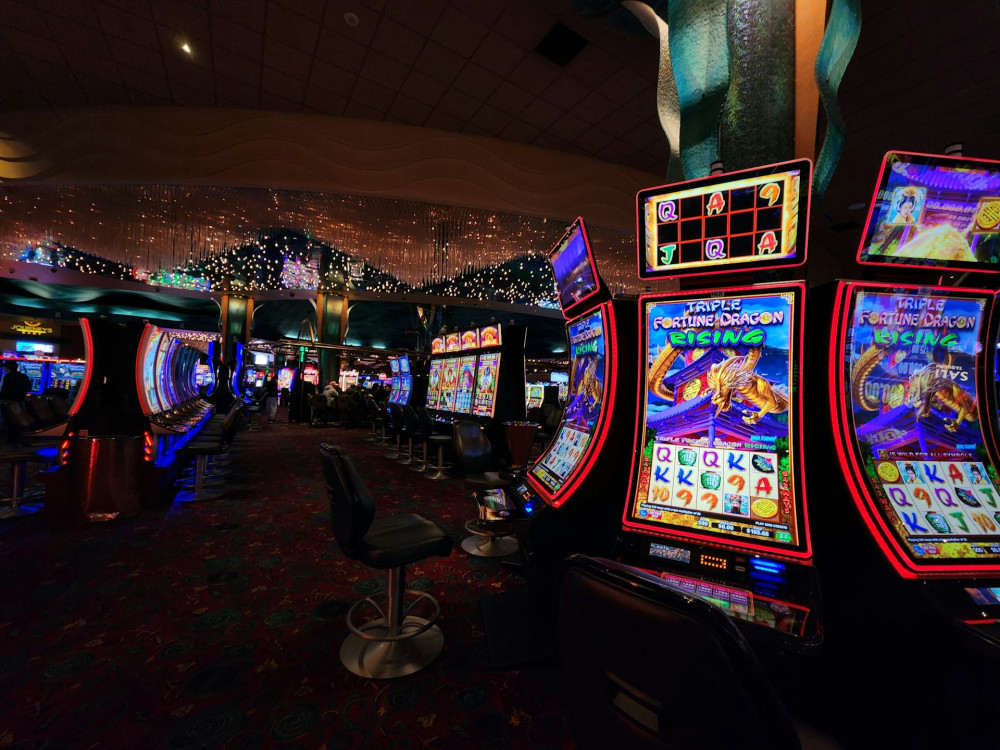
Modern American casinos have embraced this social side of roulette. They offer more than just gaming—they create immersive experiences with live music, fine dining, and entertainment. The roulette table often becomes the heart of the room, where strangers exchange smiles, cheer for each other’s wins, and share in the collective excitement that defines the casino experience.
Roulette in Club and Community Settings
Outside the glittering casino halls, roulette has found a home in smaller, more intimate environments. In private clubs, charity events, and social gatherings, the game is often played for fun rather than profit. Here, the focus shifts from competition to connection. Participants enjoy the rhythm of the game, the laughter that follows a near miss, and the shared thrill when the ball lands just right.
Many community organizations and social clubs in the U.S. host themed casino nights, where roulette is paired with food, music, and fundraising. These events create a relaxed, inclusive atmosphere where everyone—from seasoned players to first-timers—can join in. Roulette becomes a tool for building community and creating memorable experiences.
The Rise of Online and Live Communities
The digital age has given roulette a new social dimension. Online live roulette allows players to interact with real dealers and chat with others in real time, recreating the social energy of a casino from the comfort of home. For many, it’s not just about the game—it’s about belonging to a community that shares their enthusiasm.
Some online platforms have even developed dedicated player groups where members exchange strategies, celebrate wins, and support one another. This sense of connection shows that even in a virtual space, roulette retains its social essence—bridging distances and bringing people together through shared excitement.
Læs også:
The Etiquette of the Table
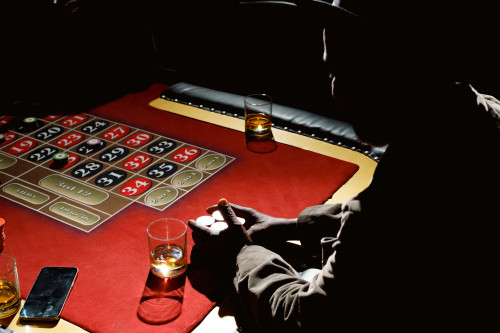
Part of what makes roulette a social experience is the etiquette that surrounds it. Wishing others good luck, respecting the dealer, and celebrating both personal and collective wins are all part of the culture. This mutual respect and positive energy create an environment where everyone contributes to the atmosphere. It’s this sense of shared courtesy and enjoyment that transforms roulette from a simple game into a social event.
Roulette in American Culture
Roulette has long held a place in American popular culture—from Hollywood films to literature and art. The spinning wheel has come to represent both risk and hope, but also the human desire to share experiences. Today, roulette is not only associated with glamour and chance but also with togetherness, entertainment, and community spirit.
A Game That Brings People Together
Whether played in a Las Vegas casino, at a local fundraiser, or online with friends across the country, roulette remains at its core a social game. It brings people together in moments of suspense, laughter, and shared anticipation. Perhaps that’s why roulette has endured for centuries—not just because of the thrill of the spin, but because it reminds us that the real reward lies in the connections we make along the way.
Læs også: