“Wheel Bias” and “Dealer Signature”: Roulette Slang for Experienced Players

“Wheel Bias” and “Dealer Signature”: Roulette Slang for Experienced Players
For most people, roulette is the ultimate game of chance — a spinning wheel, a bouncing ball, and the thrill of watching it settle on a number. But among seasoned players, there’s a deeper vocabulary that hints at something more than luck. Two of the most intriguing terms are wheel bias and dealer signature. They represent the idea that patterns might exist in what seems like pure randomness — and that a sharp observer might be able to spot them.
What Does Wheel Bias Mean?
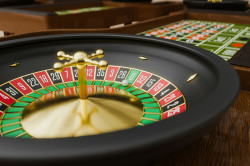
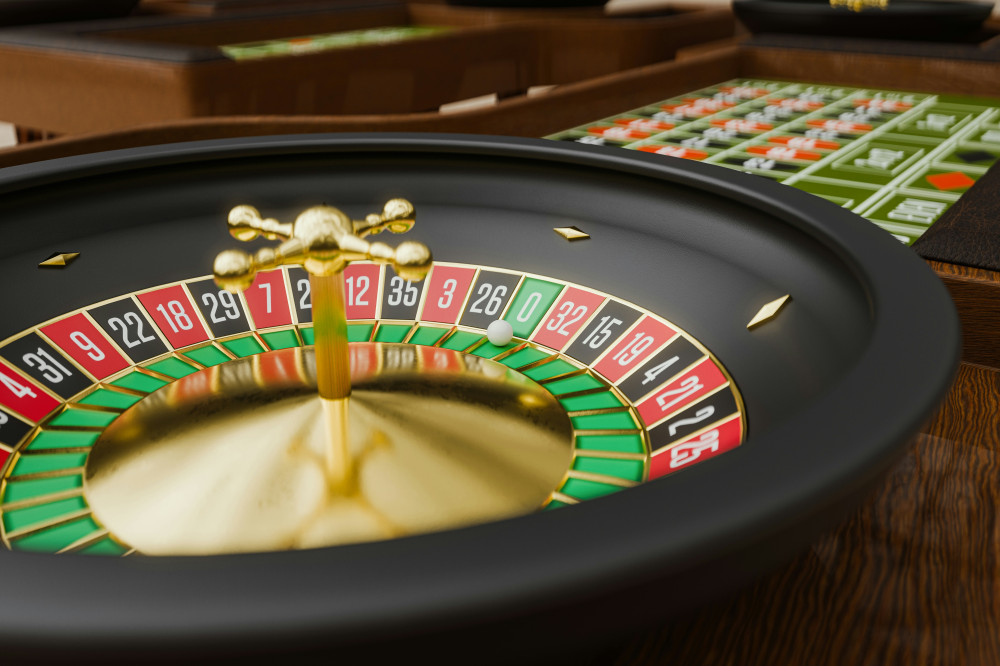
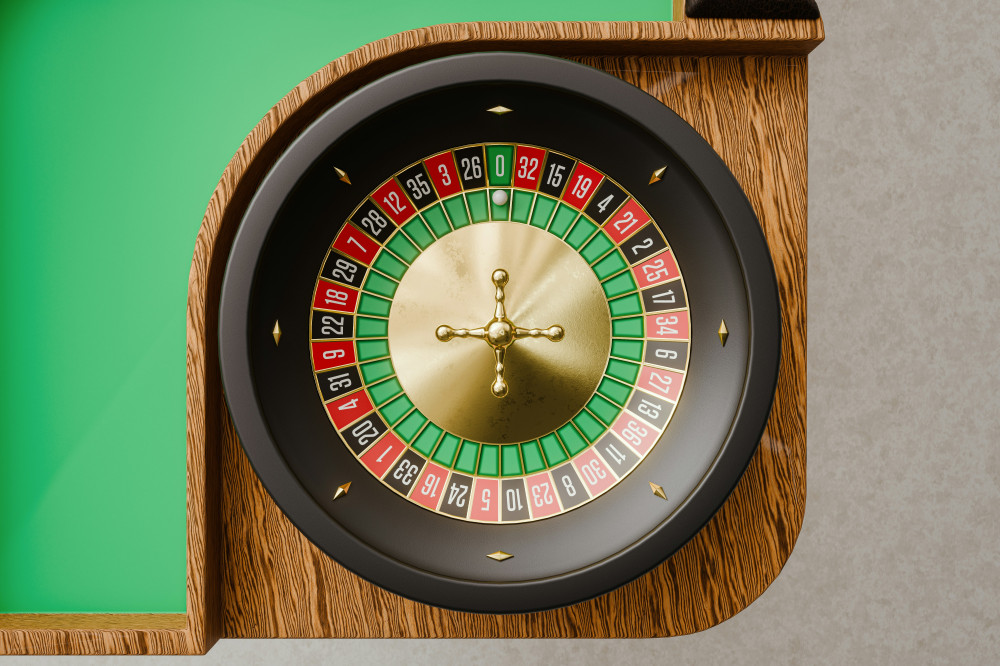
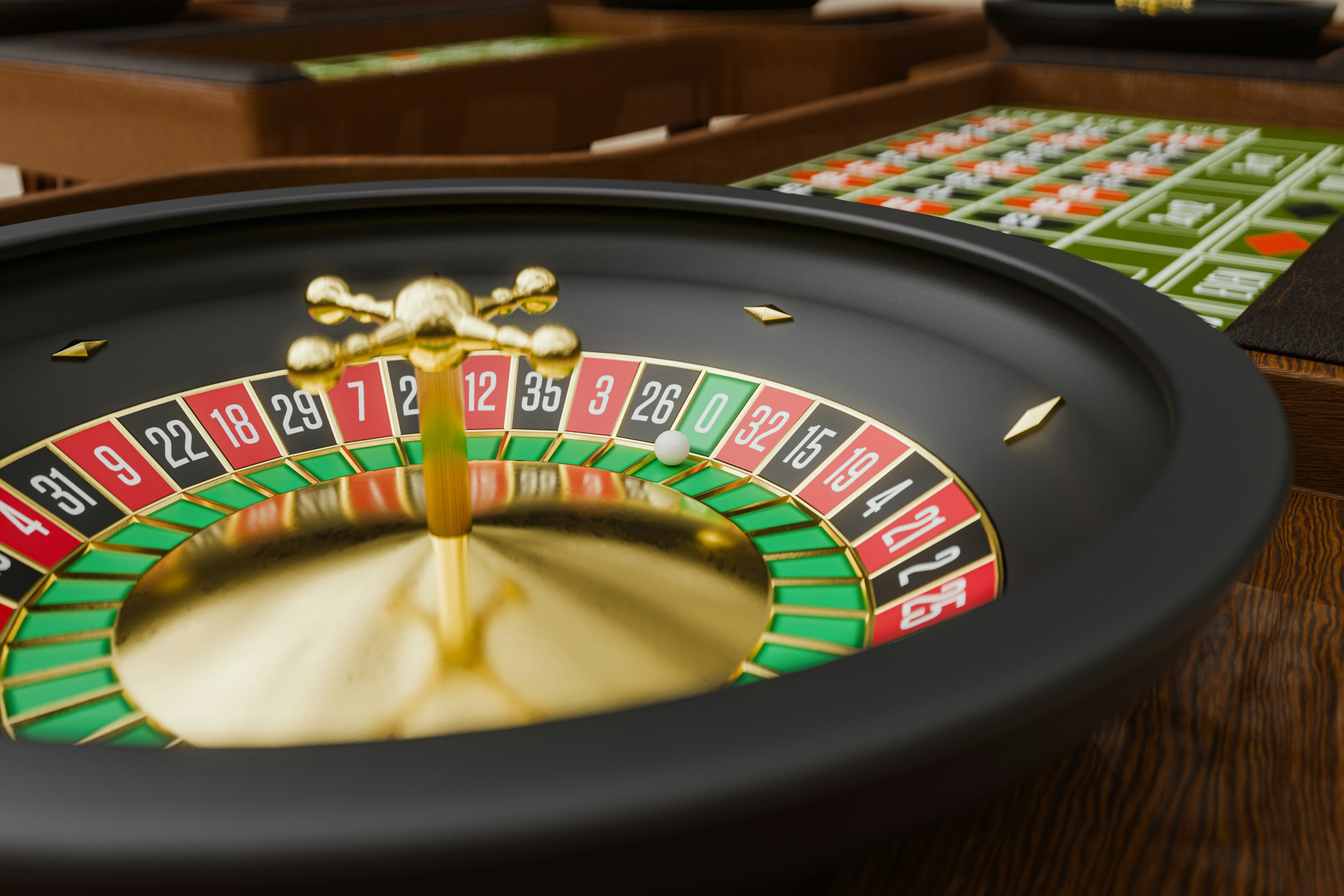
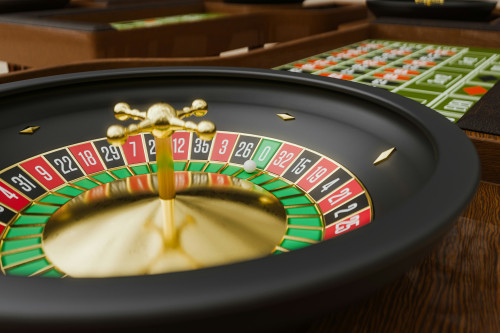
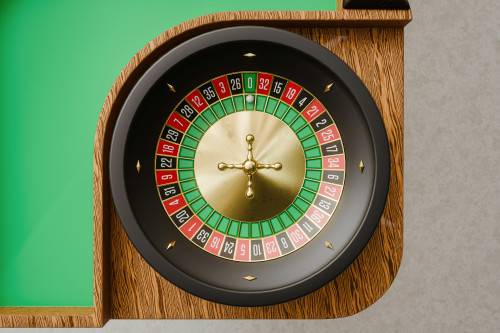
Wheel bias refers to the theory that a roulette wheel might have tiny physical imperfections that cause the ball to favor certain numbers or sections. These flaws could come from wear and tear, uneven weight distribution, or a wheel that isn’t perfectly level.
In the early days of casinos, when wheels were handcrafted and maintenance was less precise, wheel bias was a genuine possibility. Skilled players would spend hours recording outcomes, looking for numbers that appeared more often than probability would suggest. If a pattern emerged, it could offer a small but real statistical edge.
Today, modern casino wheels are precision-engineered and regularly tested to eliminate any bias. In regulated U.S. casinos, equipment is inspected frequently, and even minor irregularities are corrected. Still, the concept of wheel bias lives on — part of roulette’s lore and a favorite topic among players who love the game’s mix of physics and chance.
Dealer Signature – When the Human Element Enters the Game
While wheel bias focuses on the equipment, dealer signature centers on the person spinning the wheel. Some players believe that a dealer — consciously or not — might have a consistent rhythm or throwing style that makes the ball land in a particular area more often.
The theory goes like this: if a dealer spins the wheel and releases the ball with roughly the same speed and motion each time, the results might show a subtle pattern. Players who believe in dealer signature watch closely, noting how the dealer spins and where the ball tends to land.
Casinos, of course, are aware of this idea. Dealers are trained to vary their spin direction and speed, and many casinos rotate dealers frequently to prevent anyone from developing a predictable rhythm. In the U.S., where gaming regulations are strict, these precautions are standard practice.
Myth, Math, or Microscopic Advantage?
Both wheel bias and dealer signature sit in the gray area between myth and mathematics. There are documented cases from the 20th century where players exploited biased wheels to win significant sums. But in today’s casinos, the odds of finding a truly biased wheel are vanishingly small.
As for dealer signature, the evidence is even thinner. The slightest changes in spin speed, release angle, or friction can completely alter the ball’s path. Predicting the outcome with any accuracy is nearly impossible. For most players, it’s more a fascination than a viable strategy.
Why These Terms Still Matter
Even though technology has made it nearly impossible to find real patterns, the fascination with wheel bias and dealer signature endures. They embody the dream that roulette isn’t just about luck — that there might be a hidden logic waiting to be uncovered.
For many enthusiasts, that blend of randomness, observation, and theory is what makes roulette so captivating. It’s a game where physics, psychology, and probability meet — and where the language surrounding it reflects a culture of curiosity and hope.
Læs også:
Roulette as a Cultural Icon
Roulette is more than a casino game; it’s a symbol of risk, elegance, and the human desire to find order in chaos. Terms like wheel bias and dealer signature show how experienced players try to make sense of the unpredictable. They remind us that even in a game built on chance, people will always look for patterns — and maybe, just maybe, a touch of magic.
Læs også: