The House Edge Explained – How the Casino Ensures a Statistical Profit in the Long Run

The House Edge Explained – How the Casino Ensures a Statistical Profit in the Long Run
When you walk into a casino—whether it’s the bright lights of Las Vegas, a riverboat on the Mississippi, or an online gaming site—one thing is certain: the house always wins in the long run. That doesn’t mean players can’t have lucky nights or hit big jackpots, but the mathematics behind every game ensures that, over time, the casino earns a profit. This built-in advantage is known as the house edge, and it’s the foundation of the entire casino industry.
What Is the House Edge?
The house edge is the percentage of each bet that the casino expects to keep over the long term. It represents the difference between the true odds of winning and the payout odds offered to players.
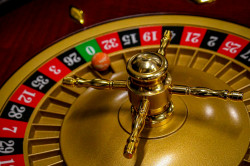
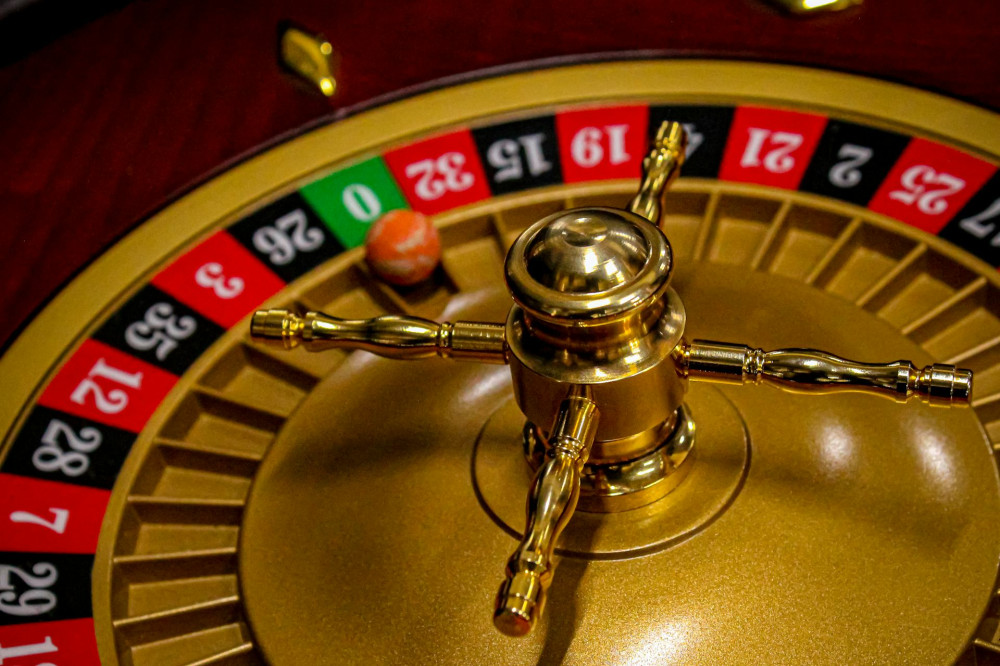
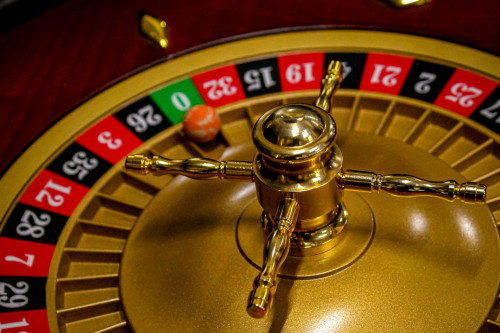
Take roulette as an example. In American roulette, there are 38 pockets on the wheel (numbers 1–36, plus 0 and 00). If you bet on a single number, your chance of winning is 1 in 38, or about 2.63%. However, the casino pays out only 35 to 1 on a winning bet. That small difference between the true odds and the payout odds gives the casino a built-in profit margin of 5.26%. That’s the house edge.
The Statistical Certainty Behind the Profit
The house edge doesn’t guarantee that the casino wins every spin or every hand. In the short term, luck can swing either way. But over thousands or millions of bets, the results will always converge toward the expected probabilities. This is known as the law of large numbers—a fundamental principle of probability.
For casinos, this means that while individual players may win, the collective outcome of all games will always yield a profit. That’s why casinos can afford to offer free drinks, lavish décor, and massive jackpots. The math ensures that, in the long run, the house comes out ahead.
Different Games, Different Edges
Not all casino games are created equal. Each game has its own built-in advantage for the house, and some are much more favorable to players than others. Here are a few examples:
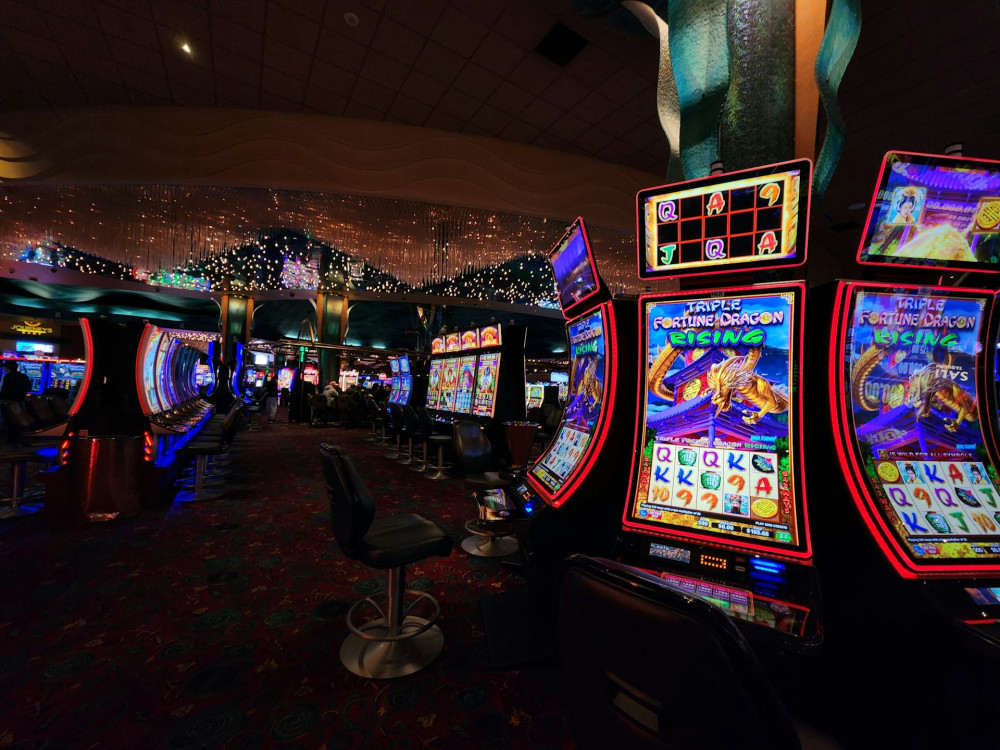
- Slot machines: The house edge typically ranges from 4% to 10%, depending on the machine and its settings.
- Roulette: American roulette has a 5.26% edge, while European roulette (with only one zero) has a smaller 2.7% edge.
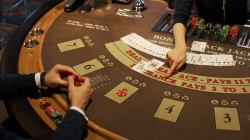
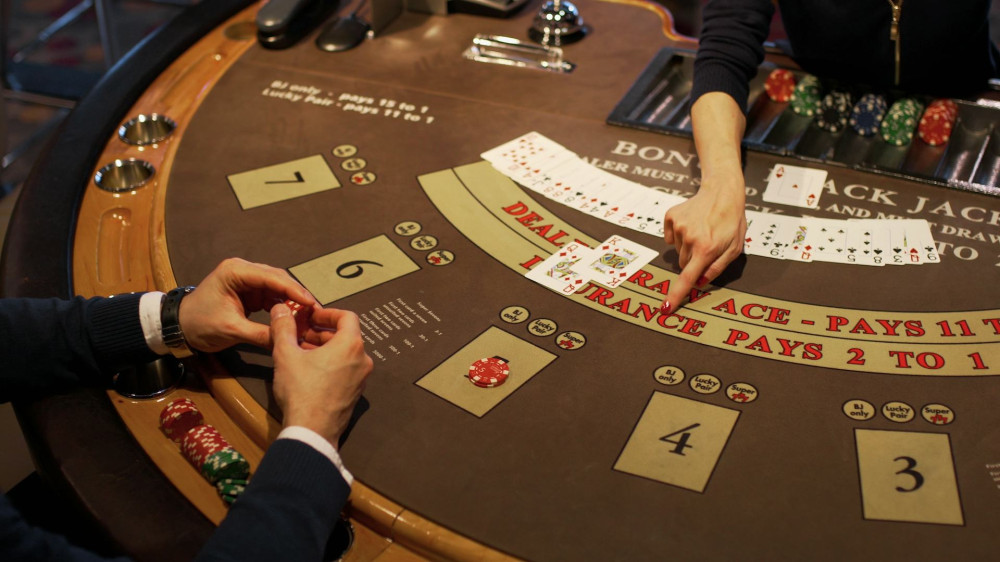
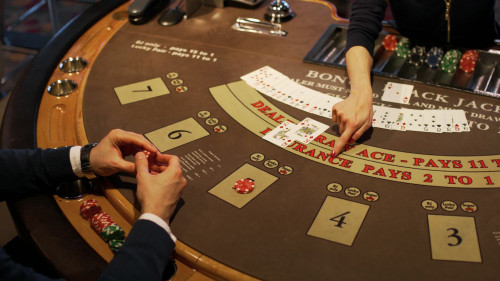
- Blackjack: With perfect strategy, the house edge can drop to around 0.5%, making it one of the best bets in the casino.
- Craps: Depending on the type of bet, the edge can range from less than 1% to over 10%.
The lower the house edge, the better the odds for the player—but the casino always retains a small statistical advantage.
Why Casinos Don’t Need to Cheat
Some people assume casinos must rig their games to make money, but that’s not the case. The rules and payout structures themselves are enough to guarantee a steady profit. In the United States, both land-based and online casinos are heavily regulated. Games are tested for fairness, and random number generators are audited to ensure true randomness. The built-in house edge is all the casino needs to stay profitable—no manipulation required.
The Player’s Perspective – Knowledge Is Power
While you can’t eliminate the house edge, understanding it can help you make smarter choices. Choosing games with lower edges and learning optimal strategies can stretch your bankroll and improve your chances of walking away a winner.
For example, a blackjack player who follows basic strategy can reduce the house edge dramatically. On the other hand, a player who makes random decisions or side bets gives the casino a much larger advantage. The key isn’t to “beat the system,” but to understand it—and to play with awareness that gambling is entertainment, not a reliable way to make money.
Læs også:

Why the House Always Wins in the Long Run
The casino’s business model is built on predictability. Every spin, roll, and hand contributes to a massive pool of data where small percentage differences add up to large profits. The house edge isn’t a trick—it’s a mathematical reality that ensures casinos can operate profitably while still offering players the thrill of chance.
Knowing how the house edge works doesn’t mean you shouldn’t play—it just means you should play with open eyes. Because in the end, it’s not luck but mathematics that determines who wins over time.
Læs også: