When Does a Bingo Round End? The Rules That Decide the Winner


When Does a Bingo Round End? The Rules That Decide the Winner
Bingo is a game that blends luck, excitement, and community — and it continues to bring people together in church halls, community centers, and online platforms across the United States. But even though the game seems simple, players sometimes wonder exactly when a round ends and how the winner is determined. Here’s a clear overview of the most common rules that decide when a bingo round is over and who takes home the prize.
What Defines a Bingo Round?
A bingo round begins when the caller announces the first number and players start marking their cards. The round continues until a player completes the winning pattern that was announced before the game began. In American 75-ball bingo, that pattern can vary widely — from a straight line to a specific shape or symbol.
Some of the most common winning patterns include:
- Single Line – A horizontal, vertical, or diagonal line of five marked squares.
- Four Corners – The four corner squares on the card are marked.
- Full Card (Blackout) – Every square on the card is marked; this usually ends the round completely.
Once the winning pattern is achieved and verified, the round officially ends, and a new one can begin.
When Does the Caller Stop?
The caller plays a key role in controlling the pace of the game and ensuring fairness. When a player calls out “Bingo!”, the caller immediately stops drawing and announcing numbers. The game pauses while the claim is verified.
If the player’s card matches the called numbers and the pattern is correct, the round is declared over. If the claim turns out to be incorrect — for example, if a number was marked by mistake — the game resumes until a valid bingo is achieved.
What If More Than One Player Wins?
It’s not unusual for two or more players to call “Bingo!” on the same number. In that case, they are considered joint winners. The prize is typically split evenly among them, unless the game’s rules specify otherwise.
In online bingo, this process is handled automatically by the system, which detects simultaneous wins and divides the prize accordingly.
Læs også:

Variations and Special Rules
While the basic principles are the same everywhere, the details can vary depending on where and how you play:
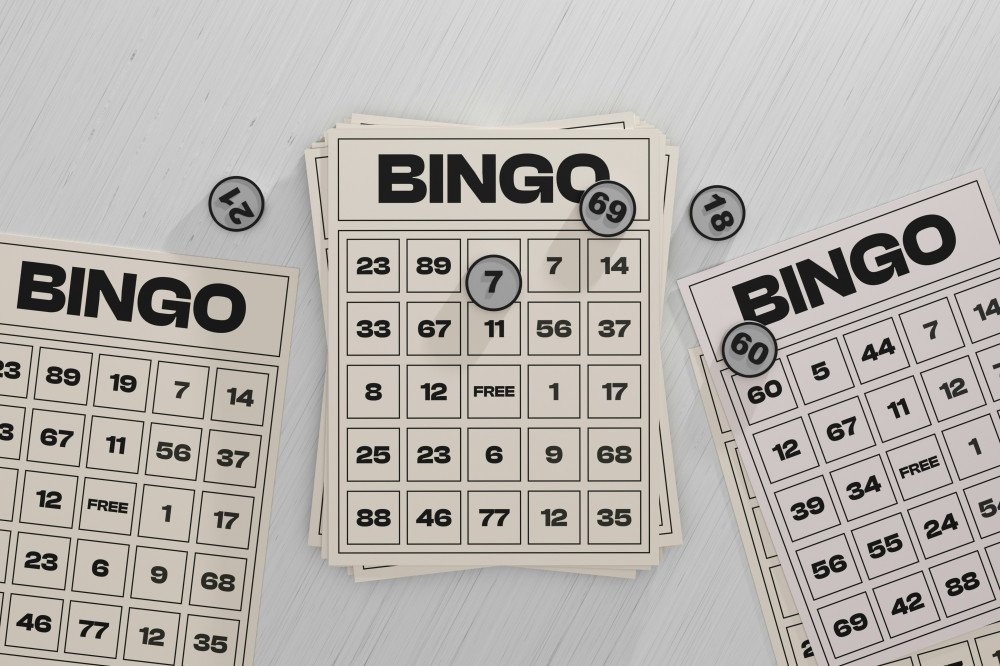
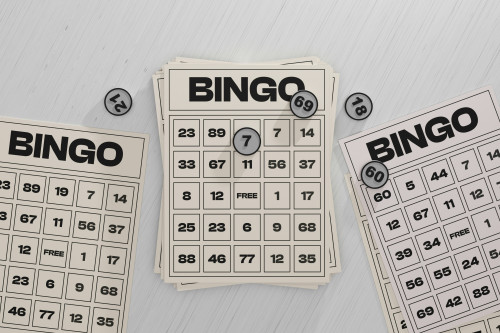
- 75-Ball Bingo (U.S. Standard) – Played on a 5x5 grid with the letters B-I-N-G-O across the top. The winning pattern is announced before the round starts.
- 90-Ball Bingo (Popular in the U.K.) – Played on a 9x3 card, with prizes for one line, two lines, and a full house.
- Online Bingo – The platform automatically tracks numbers and ends the round as soon as a winning card is detected.
- Fundraiser or Church Bingo – Local organizers may have “house rules,” such as bonus prizes or special patterns for certain rounds.
Always check the posted rules before the game begins so everyone knows exactly when a round ends and what counts as a win.
Verifying the Winner
When someone calls “Bingo!”, the card must be verified. In in-person games, the caller or an assistant checks the numbers against the list of those that have been called. In online games, the verification happens instantly and automatically.
Once the win is confirmed, the caller announces the winner, awards the prize, and the round officially concludes.
When Does the Next Round Begin?
After a round ends, there’s usually a short break so players can get new cards or prepare for the next game. In larger bingo halls, the caller announces when the next round will start. Online, the next game often begins automatically after a brief countdown.
This rhythm — the anticipation, the pause, and the excitement of a new start — is part of what keeps bingo fun and engaging for so many players.
In Short: A Round Ends When There’s a Verified Winner
A bingo round ends when a player completes the announced winning pattern and that win is confirmed. Whether you’re playing in a local hall, at a charity event, or online, it’s the caller or the system that officially ends the round.
Knowing the rules not only keeps the game fair — it makes it more enjoyable for everyone involved.
Læs også: